LMS
LMS- Enroll in Our Best Java Training Institute to Master Core and Advance.
- Our Comprehensive Java Certification Training Covers Core Java, JDBC, Servlets and JSP.
- Work on Real-Time Java Projects and Gain Practical Experience with Guidance .
- Choose a Flexible Schedule Weekday, Weekend or Fast-Track Batches.
- Earn a Java Certification With Job Placement Assistance and Career Counseling.
- Receive Guidance for Resume Building, Interview Preparation and Career Advancement.
Join Our 100% Job Guaranteed
Best Java Certification Course
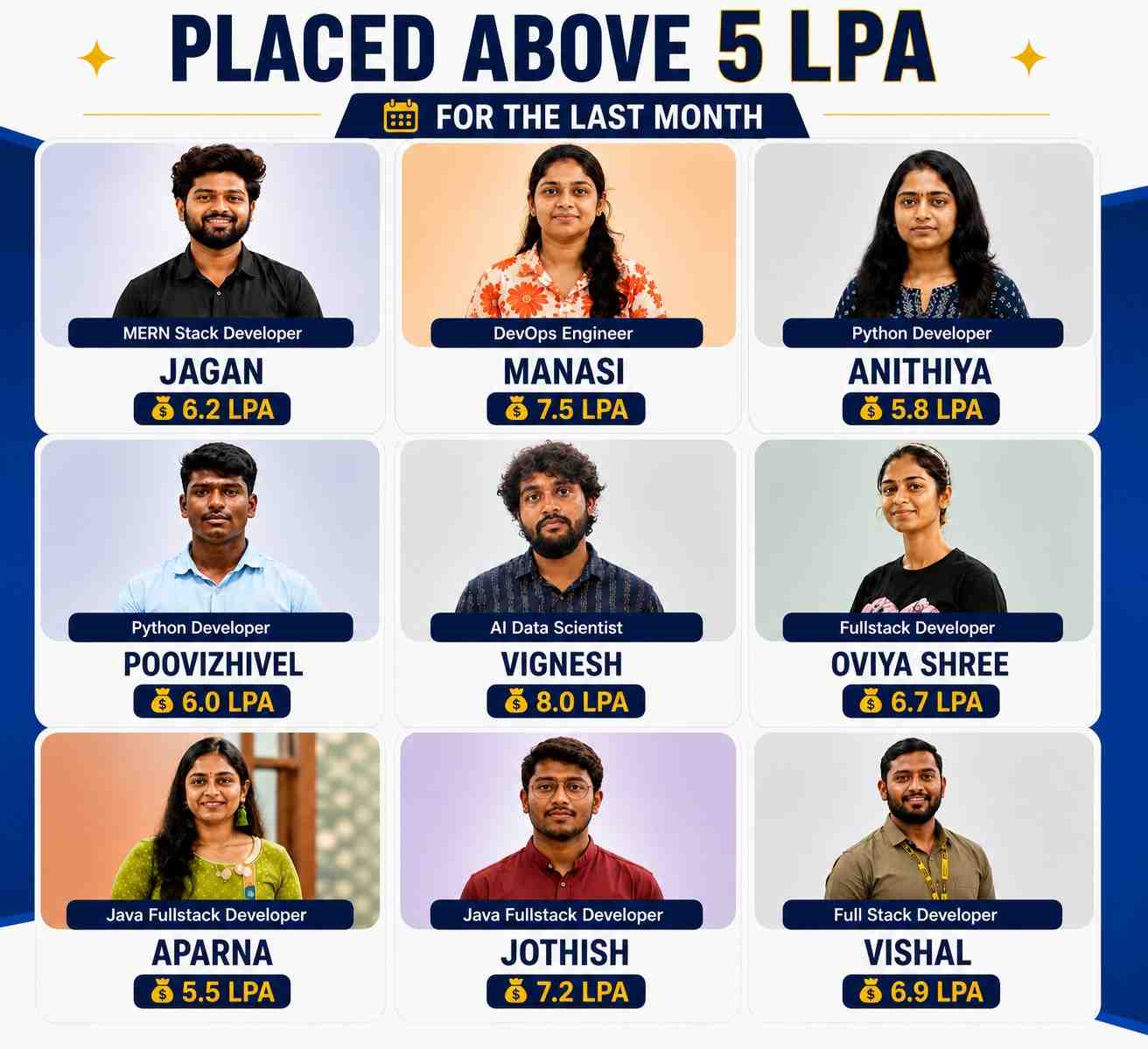
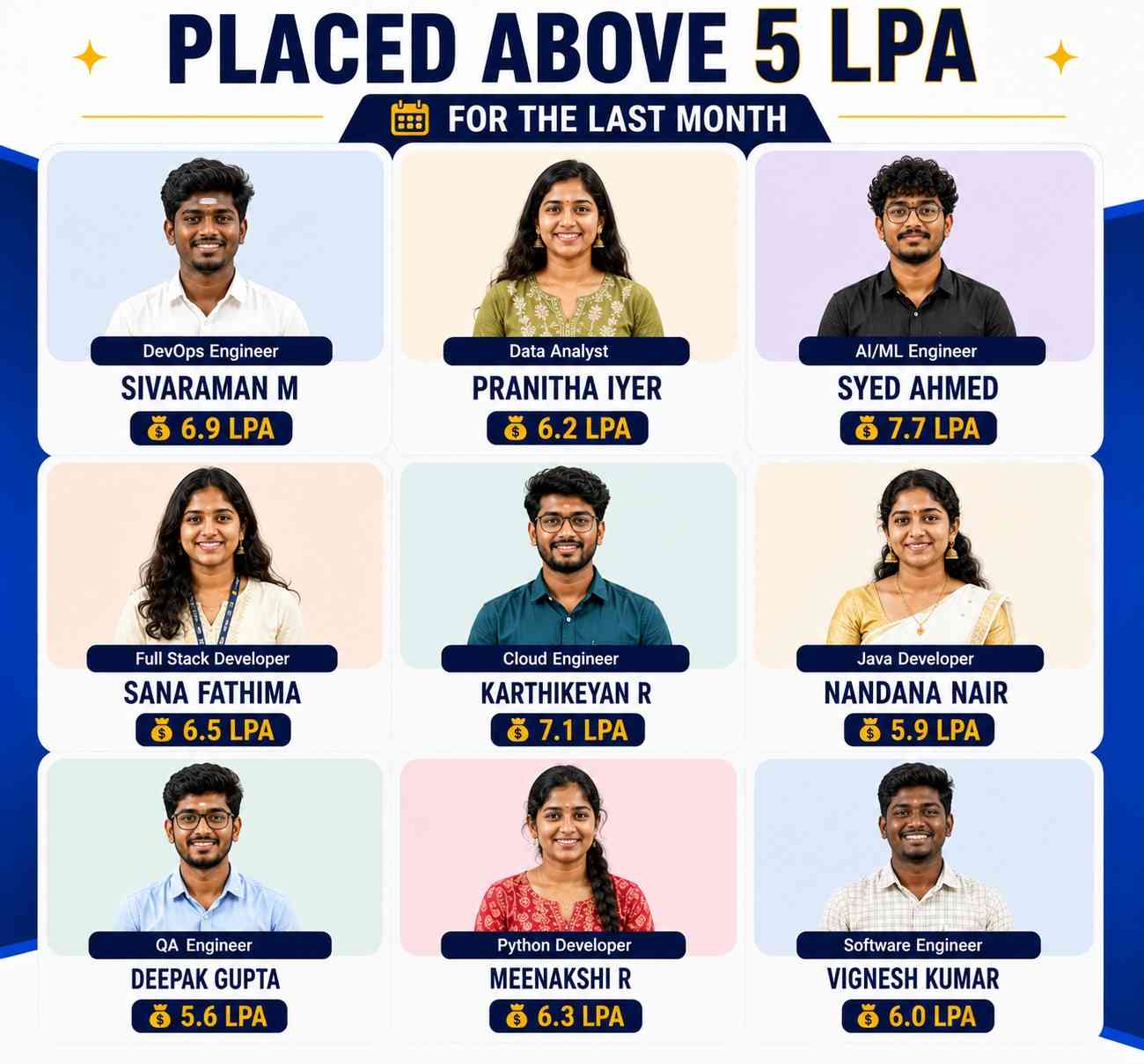
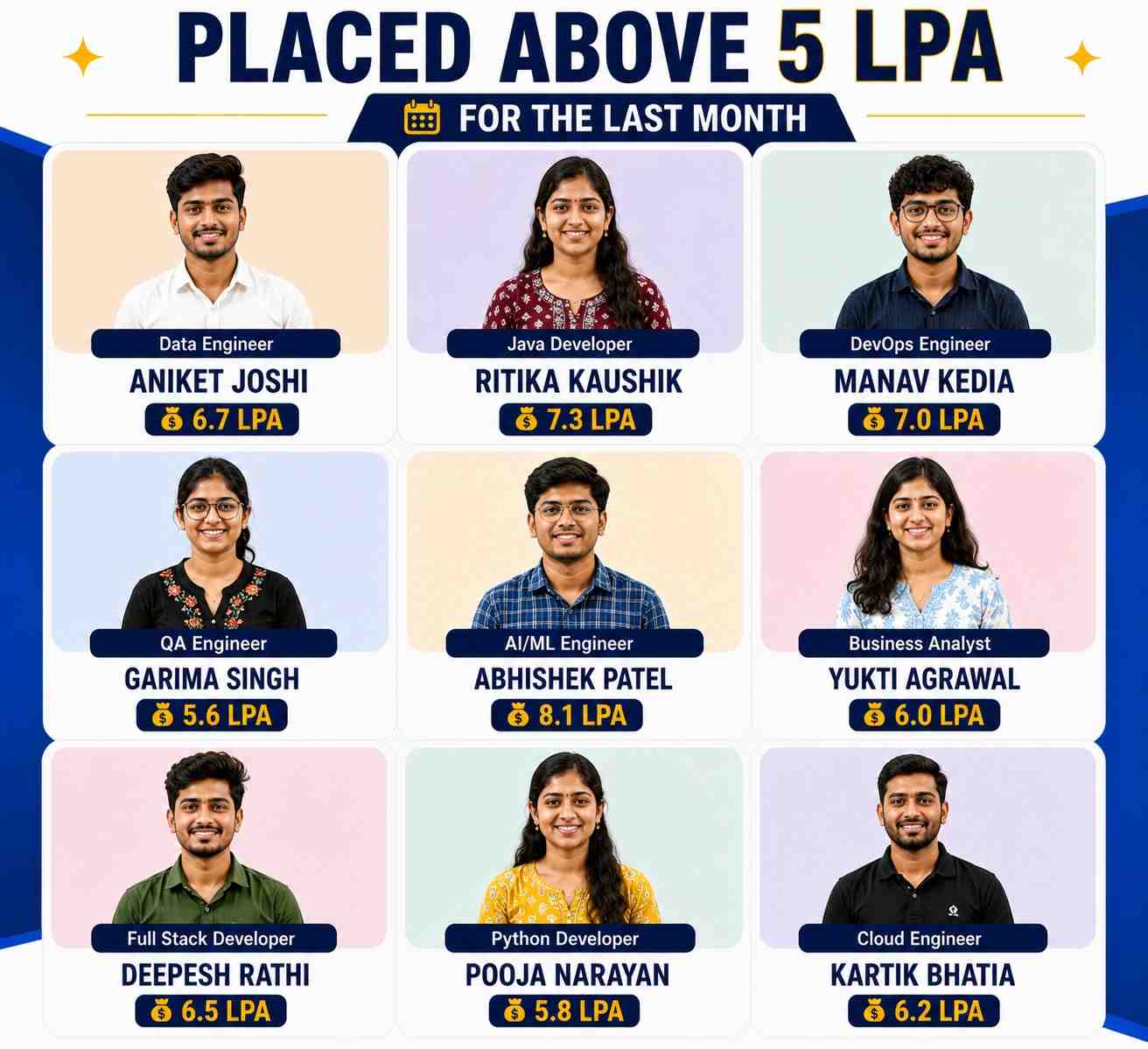
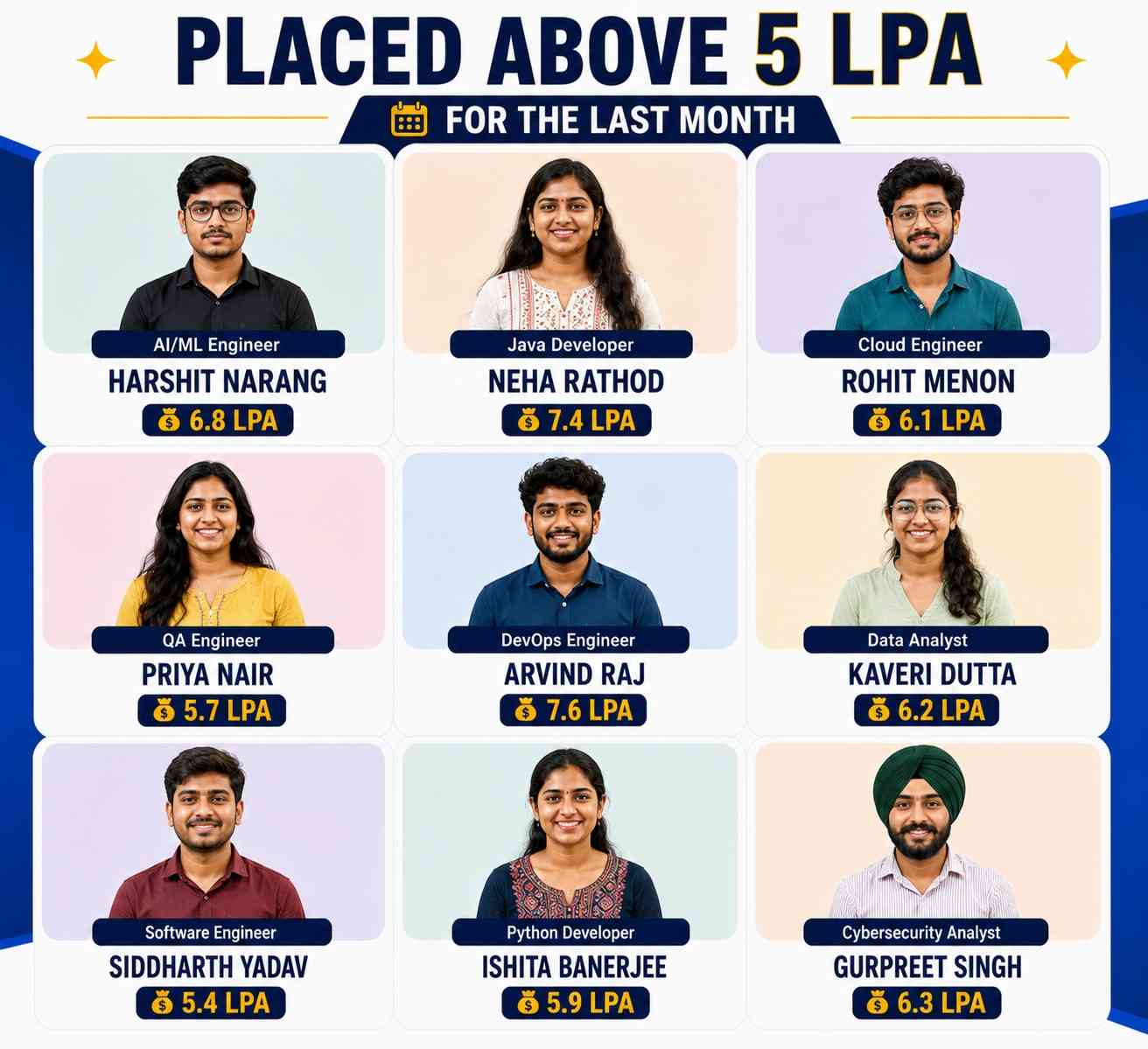
Explore Active Opportunities on
 by ACTE
Live
1000+
Jobs and Internships
Quality Training With Affordable Fees!
 Fees Starts From
INR
36,000
INR 16,500

11623+
(Placed)
6389+
(Placed)
8876+
(Placed)
4389+
(Placed)We Offer Both Online and Classroom Training in Chennai & Bangalore.
Our Hiring Partners

Overview of Java Certification Training
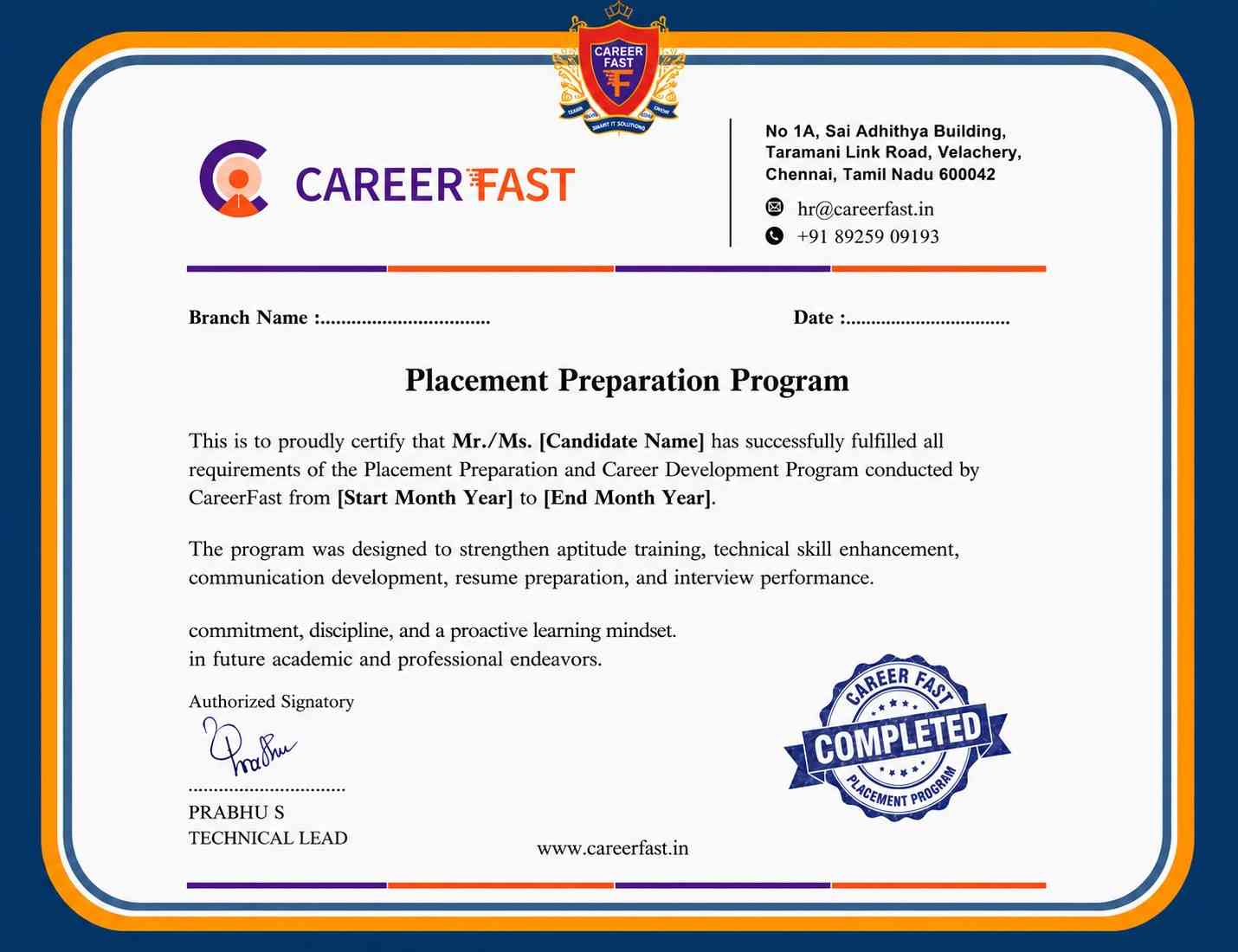
Our Java Certification Course Program builds your expertise from the ground up, starting with core concepts such as object-oriented programming, data types, control structures and exception handling. As you progress, you'll dive deeper into advanced topics like multithreading, JDBC, collections framework, servlets, JSP and Spring Boot. You’ll master industry-standard tools and technologies including Eclipse/IntelliJ, Maven, Git and MySQL, along with real-time project exposure. Upon completion, you’ll receive a Java Certification and apply your skills in a real-world Java Internship. Additionally, our 30-Day Placement Preparation Program accelerates your job-readiness with resume building, job portal setup, daily application targets, mock interviews, HR coaching and soft-skills workshops all designed to help you land your first role as a Java Developer.
What You’ll Learn From Java Certification Training
- This comprehensive Java Certification Course is perfect for both beginners and professionals aiming to master Java from the ground up.
- You’ll delve into essential topics such as object-oriented programming, data structures, exception handling and multithreading.
- Popular tools like Eclipse, IntelliJ IDEA and Maven will support your coding, debugging and project management efforts efficiently.
- Real-time projects mirror real-world development scenarios, helping you build robust applications and gain hands-on coding experience.
- By the end of the course, you’ll be confident in writing efficient Java code and developing scalable, high-performance applications using industry best practices.
- The training prepares you for roles such as Java Developer, Backend Engineer or Full Stack Developer, with certification included to boost your career prospects.
Additional Info
Course Highlights
- Master Core Java, Advanced Java, Spring, Hibernate, JDBC, RESTful APIs and more in our Complete Java Developer Course.
- Get dedicated job support with opportunities from top companies actively hiring for Java developer roles.
- Join over 11,000 students have been trained and placed through our 350+ trusted hiring partners.
- Learn from knowledgeable instructors that have more than ten years of hands-on Java development and industry experience.
- Enjoy beginner-friendly lessons, real-time project building and complete career guidance throughout your training journey.
- Benefit from affordable fees, flexible batch timings and 100% placement assistance – perfect for both freshers and professionals.
- Join Our Java Training offered in both classroom and online formats across 9+ centers in Chennai and Bangalore.
Exploring the Benefits of Java Course
- Platform Independence – Java is known for its “write once, run anywhere” ability. This means once you write a Java program, you can run it on any device that has the Java Virtual Machine (JVM). You don’t need to rewrite your code for different systems. This makes Java a great choice for building flexible and portable applications.
- Object-Oriented Programming (OOP) – Java follows the principles of object-oriented programming, making code easier to manage, reuse and scale. Concepts like classes, objects, inheritance and polymorphism help in writing organized and efficient code. OOP also improves collaboration in team projects. Gaining knowledge in Java provides a solid basis in modern software development practices.
- Strong Community Support – One of the biggest developer communities in the world is found in Java. This means you’ll find plenty of online forums, tutorials and free resources to help you learn. If you face a problem, chances are someone has already solved it. This support system makes learning and growing with Java easier and more fun.
- High Demand in Job Market – Java is used by top companies for building enterprise applications Android apps and more. This makes Java developers highly in demand across industries like finance, e-commerce and software services. Finishing a Java course can lead to well-paying and stable job opportunities. Employers often value Java skills due to its reliability and long-term use.
- Rich API and Tools – Java offers a wide range of built in libraries and APIs for networking, data processing, security. It also supports many development such as Eclipse and IntelliJ IDEA which make coding faster and smoother. These tools facilitate the automation of boring activities and enhance productivity. Learning Java gaining access to a powerful ecosystem of development support.
Essential Tools for Java Training
- Eclipse IDE – An Integrated Development Environment (IDE) that is among the most popular is Eclipse. It offers features like code completion, debugging and syntax highlighting. With its user-friendly interface, learners can write and test Java programs efficiently. Eclipse also supports plugin integration, making it suitable for advanced development needs.
- JDK (Java Development Kit) – The JDK is the core tool required to write, compile and run Java programs. It includes essential components like the Java Compiler, Java Runtime Environment (JRE) and development libraries. Without the JDK, it's not possible to execute Java code on your machine. Every Java learner must install the JDK before starting coding practice.
- Apache Maven – The project management and development tool Apache Maven automation tool for Java applications. It helps manage dependencies and simplifies the process of building large-scale projects. Maven uses a simple XML file to handle all project configurations. Learning Maven early helps students understand structured development workflows.
- JUnit – A well liked testing framework for Java programs is called JUnit. It enables programmers to create and execute repeatable tests to ensure code quality. Using JUnit helps detect bugs early and promotes test-driven development practices. For Java learners it's a great way to build good coding and testing habits from the start.
- Git and GitHub – GitHub is a platform for version control whereas Git is a platform to host and manage code repositories. These tools help track code changes and collaborate with other developers effectively. Java learners can use GitHub to store their projects and showcase their skills. Mastering Git and GitHub is essential for working in real-world Java development environments.
Top Frameworks Every Java Should Know
- Spring Framework – One of the most widely used Java frameworks is called Spring for building enterprise-level applications. It helps manage objects and their dependencies using concepts like Inversion of Control and Dependency Injection. Spring simplifies web, security and database integrations with modules like Spring Boot and Spring Security. It’s widely used for creating clean, testable and loosely coupled Java applications.
- Hibernate – Hibernate is a powerful Object-Relational Mapping (ORM) framework for Java. It helps developers interact with databases using Java objects instead of SQL queries. With Hibernate you can map Java classes to database tables and automate CRUD operations. It improves productivity and reduces database-related boilerplate code.
- Apache Struts – A robust framework ideal for building Java-based web applications using the Model-View-Controller (MVC) architecture. Struts helps manage large-scale applications by simplifying form handling, validation, and navigation. Learn Struts at our Java Training Institute in Chennai and Bangalore and build scalable, traditional enterprise web apps.
- JSF (JavaServer Faces) – JSF is a Java-based web framework developed by Oracle for building user interfaces. It offers reusable UI components and integrates easily with backend Java code. JSF supports event handling, navigation and server-side validation. Though heavier than some alternatives, it remains important for enterprise-grade web applications.
- Dropwizard – Dropwizard is a lightweight Java framework for building RESTful web services. It combines Jetty, Jersey, Jackson and other tools into one simple package. Dropwizard focuses on performance, simplicity and fast development cycles. It’s perfect for microservices and modern cloud-ready applications.
Must-Have Skills You’ll Gain in a Java Course
- Object-Oriented Programming (OOP) – In a Java course, you'll master the fundamentals of Object-Oriented Programming. This includes learning to use classes, objects, inheritance, polymorphism and encapsulation. These concepts help organize code in a clean, reusable way, making it easier to build large applications. OOP is the core of Java, so understanding it well is crucial for becoming a skilled developer.
- Exception Handling – Java teaches to manage errors gracefully using exception handling. You'll learn to use try, catch, throw and finally blocks to prevent your program from crashing unexpectedly. This skill ensures your applications are robust and can handle real-world issues like invalid inputs or missing files. Writing reliable code is essential in any software project and exception handling plays a big role in it.
- Multithreading and Concurrency – In Java you’ll learn to make your applications carry out several tasks concurrently. using multithreading. This skill is important for creating fast, efficient programs especially in gaming, banking or web applications. You’ll understand threads work, to manage them and avoid issues like deadlocks. Java’s built in support for concurrency makes it easier to handle complex multitasking scenarios.
- Data Structures and Collections – A Java course covers the use of important data structures like arrays, lists, sets, maps and queues. You’ll also explore the Java Collections Framework, which helps you manage and store data effectively. These tools are vital for solving problems efficiently and writing optimized code. Understanding which data structure to use in different situations is a key skill in any programming job.
- File Handling and Input/Output (I/O) – Reading from and writing to files will be taught to you utilizing Java I/O classes. This includes handling user input, writing logs or storing application data. Working with files is a common task in many applications, so this skill is highly practical. A solid grasp of Java I/O helps you interact with external data sources and perform real-world programming tasks with ease.
Roles and Responsibilities of Java Training
- Java Developer – The duties of a Java developer include planning, creating and testing applications using the Java programming language. They work on backend systems, web applications or enterprise software based on business requirements. Java Developers ensure that applications run smoothly and are updated with the latest features. They collaborate with other developers and project teams to deliver high-quality software.
- Software Engineer – Software Engineers use Java to build scalable and efficient software solutions. They analyze user needs, develop technical solutions and Verify that the program satisfies both technical and functional requirements. With strong problem-solving skills, they also fix bugs and improve application performance. Their job often includes writing clean code and working with development tools like Git and Jenkins.
- Technical Lead – A Technical Lead guides a team of Java developers in planning, coding and delivering software projects. They take part in architectural decisions and review code to maintain standards. Their role also includes mentoring junior developers and resolving technical challenges. With experience in Java they ensure the team stays on track and meets deadlines.
- Full Stack Developer – Full Stack Developers are skilled in both frontend and backend development and Java plays a major role on the server side. They design user interfaces and also handle data storage and processing. Using Java with frameworks like Spring Boot, they build powerful applications that function smoothly across platforms. Their function is to provide as a link between design and functionality.
- Project Manager (Technical) – A Project Manager with Java knowledge effectively lead software development teams and understand technical discussions. They plan project timelines, assign tasks and ensure project goals are achieved. Understanding Java helps them communicate better with developers and identify risks early. The play a key role in ensuring Java based projects are delivered on time and within budget.
The Reasons Java is a Fantastic Career Choice for Freshers
- High Demand in the Job Market – Java is used by thousands of companies worldwide from startups to tech giants. It is wide usage means there’s a constant demand for skilled Java developers. Many industries rely on Java for building reliable software and applications. As a fresher, this gives you a great chance to find job opportunities easily.
- Strong Community Support – Java has been around for over two decades and has built a huge developer community. This means you’ll never feel stuck, as there are many forums, tutorials and mentors to help you. Learning becomes easier when you have others guiding you through common challenges. For freshers this supportive environment boosts confidence and skill growth.
- Platform Independence – One of Java biggest strengths is its “Write Once, Run Anywhere” ability. This means the same code can work on different devices without changes. It teaches freshers to think about cross-platform development, a valuable skill in today’s tech world. This flexibility makes Java a smart choice for long-term learning and career development.
- Versatile Career Opportunities – Java is used in mobile apps, enterprise software, web development and even cloud computing. As a fresher, learning Java opens doors to many career paths like Android development, backend systems or big data tools like Hadoop. This versatility helps you explore different roles before choosing your area of interest.
- Easy to Learn and Beginner-Friendly – Java has a simple syntax that’s easy for beginners to understand and write. It also follows object-oriented principles, which are important in modern programming. Freshers can quickly build small programs and grow their confidence step by step. Starting with Java makes it easier to learn other languages later too.
How Java Skills Help You Get Remote Jobs
- Strong Demand for Java Developers Worldwide – Java is one of the most popular and widely-used programming languages. Many global companies rely on Java to build enterprise applications, web platforms and mobile apps. This creates high demand for skilled Java developers, especially for remote roles. With Java expertise, you can work for companies in any country without needing to relocate.
- Platform Independence Boosts Remote Flexibility – The "write once, run anywhere" tenet underpins Java making it highly versatile. It enables programmers to create functional apps across various systems without rewriting the code. This makes Java ideal for remote jobs where teams work on different platforms. Your ability to write cross-platform code increases your chances of getting hired remotely.
- Java Ecosystem Supports Remote Collaboration – The Java ecosystem includes powerful tools like Spring Boot, Maven and Jenkins that support collaborative development. These tools help remote teams build, test and deploy code efficiently. With knowledge of these tools, you can integrate easily into distributed teams. It shows employers that you can contribute to remote projects without needing close supervision.
- Remote Freelance Projects Prefer Java Expertise – Many freelance and contract based remote jobs list Java as a required skill. Platforms like Upwork, Freelancer and Toptal often feature Java related gigs. These roles include backend development, web APIs or Android apps using Java. By showcasing your Java skills, you can tap into global freelance opportunities with flexible hours.
- Java Knowledge Leads to High-Paying Remote Roles – Companies are willing to pay more for experienced Java developers due to the complexity and scalability Java offers. Whether it’s for fintech, healthcare or cloud-based applications, Java skills are seen as valuable. Remote job listings for Java developers often come with competitive salaries and benefits. Having strong Java expertise opens the door to well-paying, stable remote careers.
What to Expect in Your First Java Job
- Understanding Real-World Codebases – In your first Java job, you'll work with large codebases written by multiple developers. Unlike small classroom projects, professional code is complex and well-structured. You’ll spend time reading, understanding and debugging existing code. Learning to navigate and contribute to this is a big part of the job.
- Working with Development Tools – You'll use tools like Eclipse, IntelliJ IDEA, Git and Maven every day. These tools help manage projects, track changes and automate tasks. You may have learned Java syntax before, but now you’ll learn to use it within these tools. Getting comfortable with them is crucial to your success.
- Following Best Practices – Java professionals follow standards like writing clean code, using proper naming and commenting wisely. You'll be expected to write code that is readable, reusable and easy to maintain. This means avoiding shortcuts and focusing on quality. These practices help teams work smoothly and build strong software.
- Collaborating with a Team – In the workplace, coding is a team effort. You’ll attend meetings, share updates and review each other’s work. Communication becomes as important as coding itself. Being a good team player helps your learning and career growth.
- Continuous Learning and Feedback – Your learning doesn’t stop after landing the job. You’ll receive feedback from seniors, work on new frameworks and update your skills constantly. Mistakes are common, but they’re also valuable learning moments. With time and practice, your confidence and abilities will grow.
Top Companies Hiring Java Professionals
- IBM – IBM is a global tech giant that relies heavily on Java for building enterprise-grade applications. Java developers at IBM work on cloud computing, AI and automation solutions. The company values innovation, security and large-scale systems development. Java professionals here gain hands-on experience with cutting-edge tools and global projects.
- Infosys – Infosys hires thousands of Java developers to build customized software for global clients. Java is widely used in their banking, retail and telecom projects. Developers here often work on full-stack applications using Java, Spring Boot and microservices. The company offers continuous learning and career growth opportunities.
- Tata Consultancy Services (TCS) – TCS uses Java for building scalable, secure and high-performance enterprise solutions. Java professionals here are involved in backend development, integration and cloud-based systems. TCS serves clients in healthcare, finance and manufacturing using Java-driven platforms. It’s a great place for freshers and experienced developers alike.
- Capgemini – Capgemini frequently hires Java developers to support its digital transformation projects. Java is central to their work in application development and cloud migration. The company focuses on agile development, DevOps and automation using Java. It provides excellent training programs and international project exposure.
- Cognizant – Cognizant offers a dynamic environment for Java developers working on global software delivery. Java is key in building web apps, microservices and enterprise APIs for clients. Cognizant emphasizes collaboration, agile practices and innovation. Java professionals here benefit from continuous upskilling and domain diversity.
Show More
Tools Covered For Java Certification Training








Upcoming Batches For Classroom and Online
Weekdays
21 - Sep - 2026
08:00 AM & 10:00 AM
Weekdays
23 - Sep- 2026
08:00 AM & 10:00 AM
Weekends
26 - Sep - 2026
(10:00 AM - 01:30 PM)
Weekends
27 - Sep - 2026
(09:00 AM - 02:00 PM)
Can't find a batch you were looking for?
What’s included ?
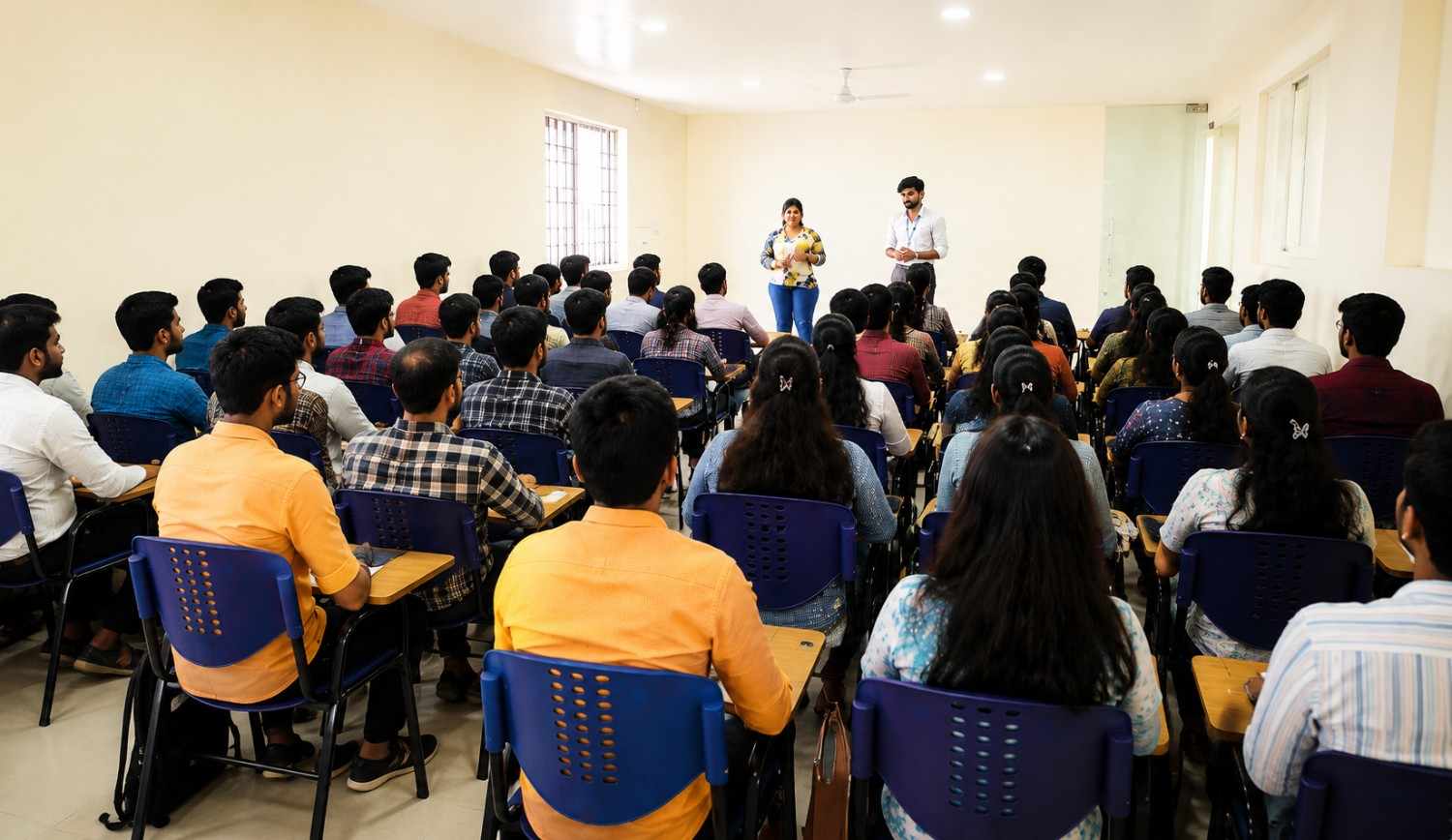
📊 Free Aptitude and Technical Skills Training
- Learn basic maths and logical thinking to solve problems easily.
- Understand simple coding and technical concepts step by step.
- Get ready for exams and interviews with regular practice.
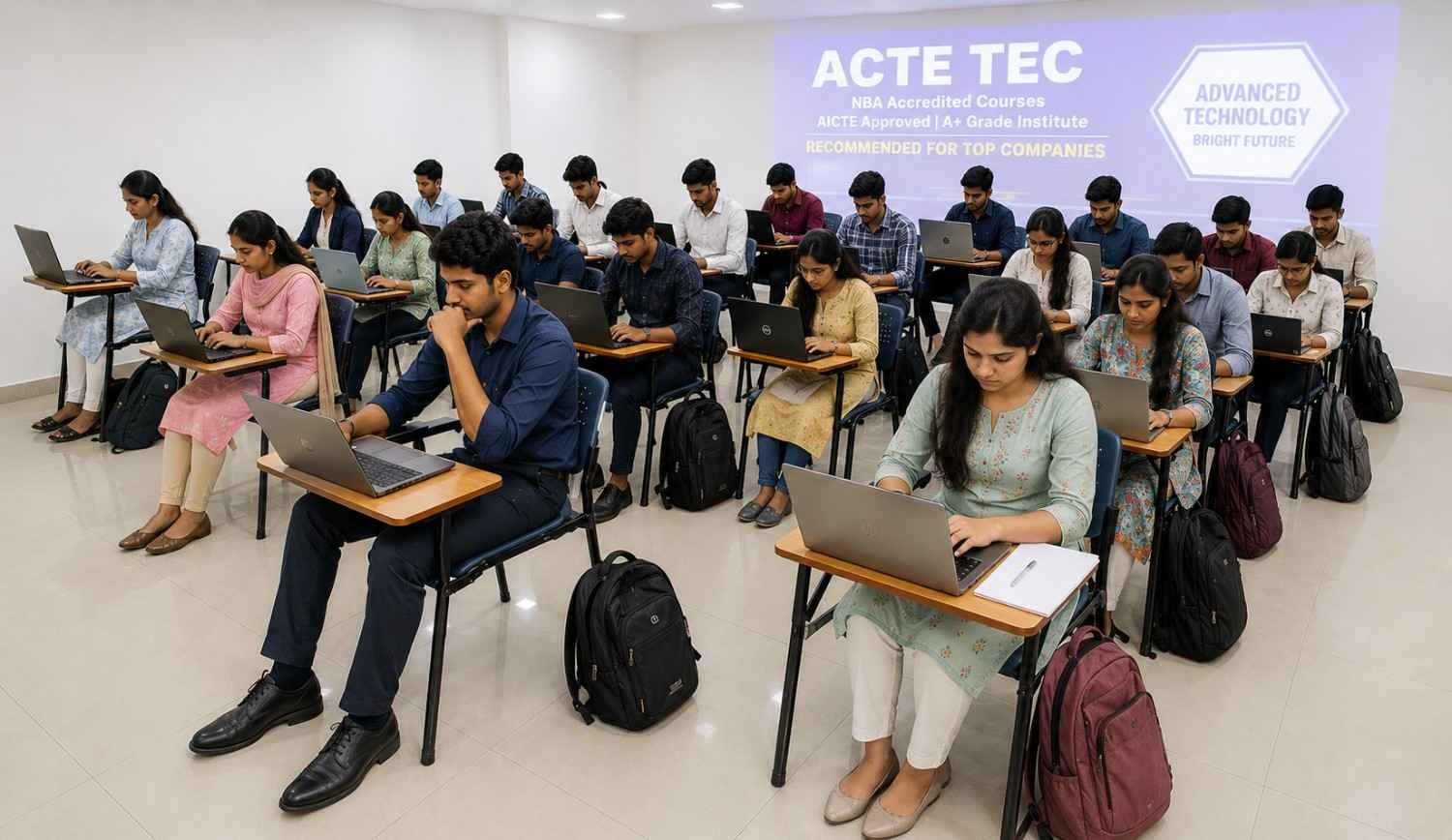
🛠️ Hands-On Projects
- Work on real-time projects to apply what you learn.
- Build mini apps and tools daily to enhance your coding skills.
- Gain practical experience just like in real jobs.

🧠 Launch Your Career in Top MNC Companies
- Master technical and HR interview rounds.
- Gain confidence with expert mock interview practice.
- Improve your chances of getting hired faster.
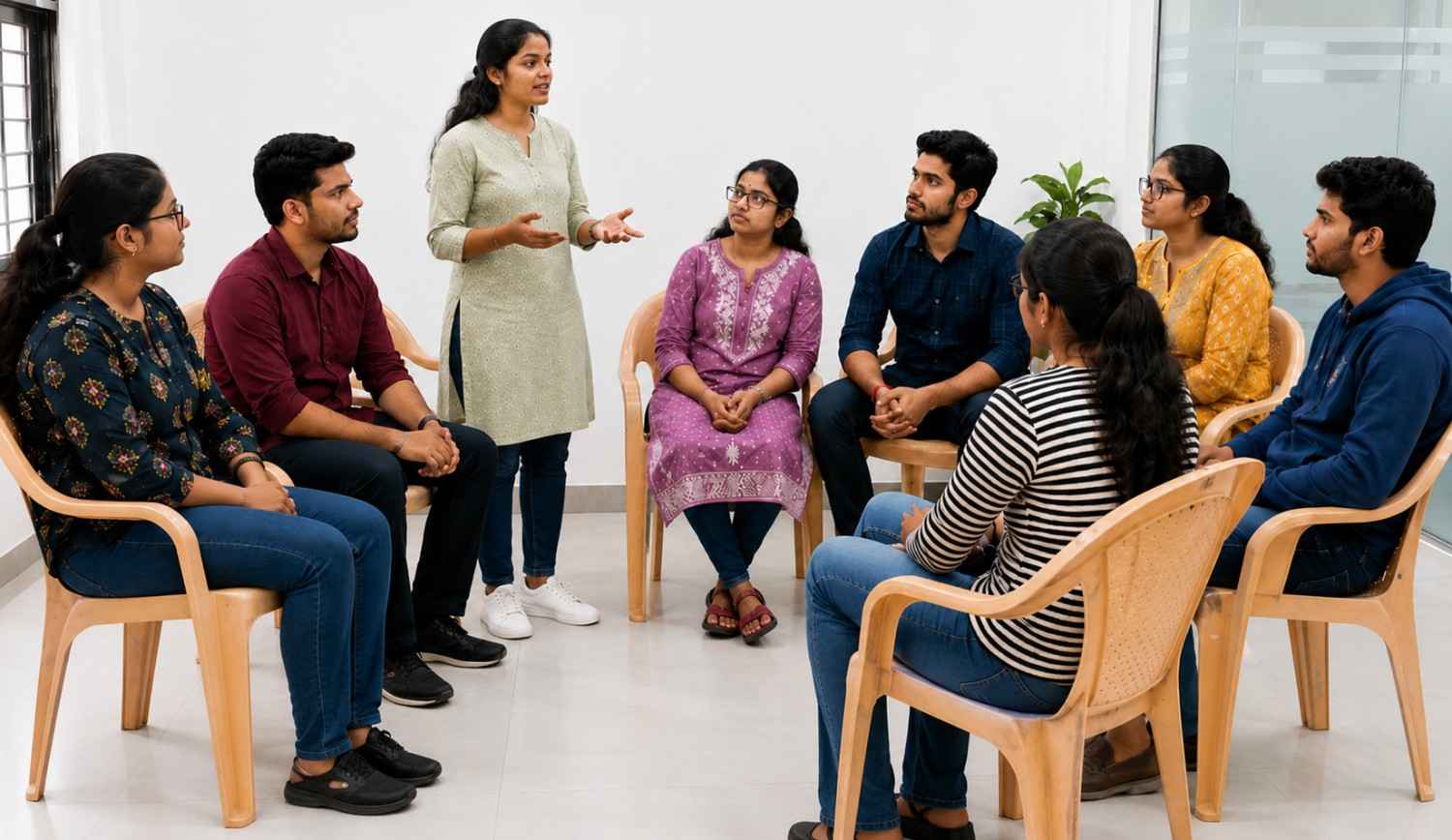
🎯 Interview Preparation For Freshers
- Practice company-based interview questions.
- Take online assessment tests to crack interviews
- Practice confidently with real-world interview and project-based questions.
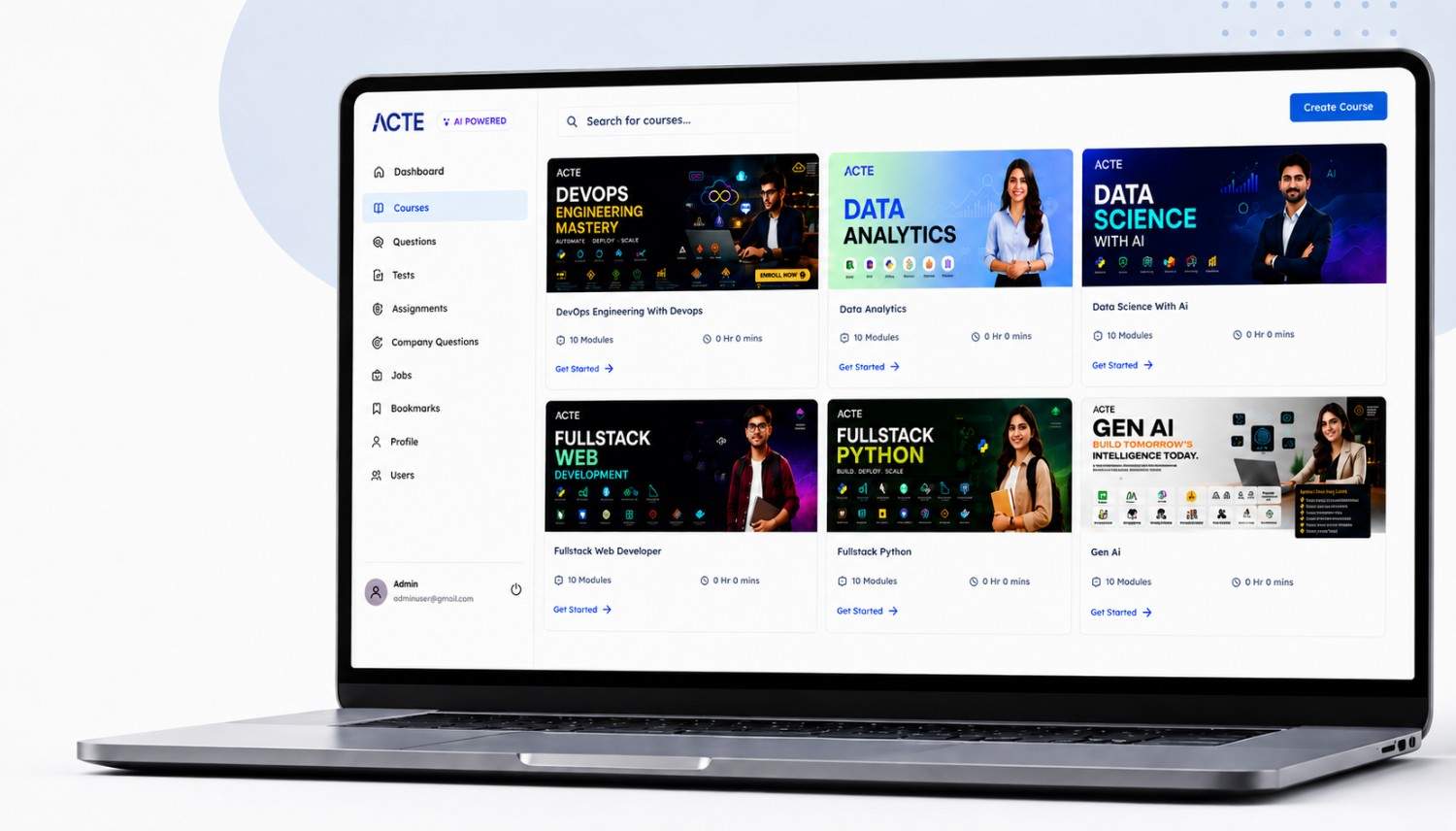
🧪 LMS Self Learning Platform
- Explore expert trainer videos and documents to boost your learning.
- Study anytime with on-demand videos and detailed documents.
- Top MNC interview questions & self coding practice.
Java Course Curriculum
- 🏫 Classroom Training
- 💻 Online Training
- 🚫 No Pre Request (Any Vertical)
- 🏭 Industrial Expert
Enrolling in a Java Certification Course equips learners with the skills needed to pursue a focused career path tailored to their goals and interests. It creates opportunities for in-demand roles at leading companies across diverse industries. Because of the course's adaptive learning methodology, students explore Core Java, Spring Framework or Microservices. Throughout the journey, they develop a solid base in software development and application implementation. We provide guaranteed Java Placement after the completion of this course.
- Core Java Programming – Learn the fundamentals of Java, including OOP concepts, syntax and data types.
- Advanced Java & Frameworks – Master JDBC, JSP and frameworks like Spring and Hibernate to develop applications.
- Real-Time Project Development – Work on hands-on projects such as e-commerce apps, banking systems and booking portals.
- Tools, IDEs & Deployment – Gain experience with Eclipse, IntelliJ, Git and Maven.
Java Fundamentals
Java Syntax & Data Types
Control Flow & Arrays
Object-Oriented Programming (OOP)
Exception Handling & File I/O
Collections & Generics
Multithreading & Java 8 Features
These are used to set up the Java environment and understand how Java runs:
- JDK & JRE – Java development and runtime environments
- JVM – Java Virtual Machine for executing Java bytecode
- IntelliJ IDEA / Eclipse – IDEs for writing and executing Java code
- Command Line Tools – Compile and run Java programs via terminal
- Environment Setup – Setting JAVA HOME and system PATH variables
These are used to write basic Java programs and handle input/output:
- Primitive & Reference Types – int, float, boolean, arrays, etc.
- Operators – Arithmetic, relational, logical operators
- Scanner Class – Reading user input
- JavaDoc – Generating documentation from comments
- IDE Debugger – Inspecting variables and stepping through code
These are used to manage program logic and data structures:
- Conditional Statements – if, else-if, switch
- Loops – for, while, do-while
- Arrays – 1D and 2D arrays for structured data
- Enhanced for-loops – Simplified looping over arrays
- IDE Tools – Using breakpoints and step-into for debugging
These are used to build reusable, structured and modular code:
- Classes & Objects – Core Java building blocks
- Constructors & ‘this’ keyword – Initializing object data
- Inheritance & Polymorphism– Code reuse and dynamic method dispatch
- Encapsulation & Access Modifiers– Securing and organizing data
- Method Overloading/Overriding– Multiple method definitions
- UML Tools– PlantUML / Lucidchart for class diagrams
- Code Navigation Tools– IntelliJ Structure View and Refactoring
These are used to handle errors and work with external files:
- try-catch-finally / throw / throws – Handling exceptions safely
- Custom Exceptions – Creating domain-specific errors
- FileReader / BufferedReader / FileWriter – Reading and writing files
- Log4j (Intro) – Logging for debugging and monitoring
- Stack Tracing – Diagnosing issues using exception traces
These are used to work with groups of data efficiently:
- List, Set, Map Interfaces – Managing collections of objects
- ArrayList / HashSet / HashMap – Concrete implementations
- Iterator / forEach – Iterating over collections
- Generics – Type safety in collections
- Collections Utility Class – Sorting, reversing, etc.
- Java VisualVM (Intro) – Monitoring memory usage
These are used for concurrent programming and functional-style coding:
- Thread & Runnable – Creating and managing threads
- Synchronization – Preventing race conditions
- ExecutorService / Callable (Intro) – Thread pools and tasks
- Lambda Expressions – Concise function expressions
- Functional Interfaces – Predicate, Consumer, Supplier
- Stream API (Intro) – Processing collections with functional logic
🎁 Free Addon Programs
Aptitude, Spoken English.
🎯 Our Placement Activities
Daily Task, Soft Skills, Projects, Group Discussions, Resume Preparation, Mock Interview.
Get Hands-on Experience With Java Projects
Project 1
Chat Application
Built using Java Socket Programming and multithreading this project enables real-time messaging between clients and a server. Java Swing or JavaFX is used for the GUI supporting multiple users in a client chat.
Project 2
Data Visualization Software
This tool reads data from CSV files or databases using JDBC and displays it using charts built with JavaFX or JFree Chart. It demonstrates data handling, visualization and user interface design in Java.
Project 3
Electricity Billing System
A Java Swing-based application that calculates and displays electricity bills. It connects to a database via JDBC for storing customer data, usage details and bill records, simulating real-time billing logic.
Project 4
Online Resume Builder
This project allows users to input personal and professional details and generate a formatted resume. It uses JavaFX or Swing for form creation file handling (PDF/HTML export) and templates.
Project 5
Simple Banking Application
This GUI based project allows users to perform basic banking tasks such as deposits withdrawals and balance checks. It uses Java Swing for the interface and JDBC for database operations focusing on secure transaction.
Who Should Take a Java Certification Training
IT Professionals
Non-IT Career Switchers
Fresh Graduates
Working Professionals
Diploma Holders
Professionals from Other Fields
Salary Hike
Graduates with Less Than 60%
Show More
Job Roles For Java Certification Course
Java Developer
Full Stack Java Developer
Java Backend Developer
Java Software Engineer
Java Architect
Java Web Developer
Java Spring Boot Developer
Java Microservices Developer
Show More
Java Training Offered Classroom (Chennai & Bangalore) and Online.
Easy Coding
8 Lakhs+ CTC
No Work Pressure
WFH Jobs (Remote)
Why Java is the Ultimate Career Choice
High Demand
Companies prefer multi-skilled professionals can handle entire project cycles.
Global Opportunities
Open doors to remote and international job markets.
High Salary
Enjoy competitive salaries and rapid career advancement.
Flexible Career Path
Explore roles such as developer, architect, freelancer, or entrepreneur.
Future-Proof Career
Stay relevant with skills that are consistently in demand in the evolving tech landscape.
Versatility Across Industries
Work in various domains like e-commerce, healthcare, finance, and more.
Career Support
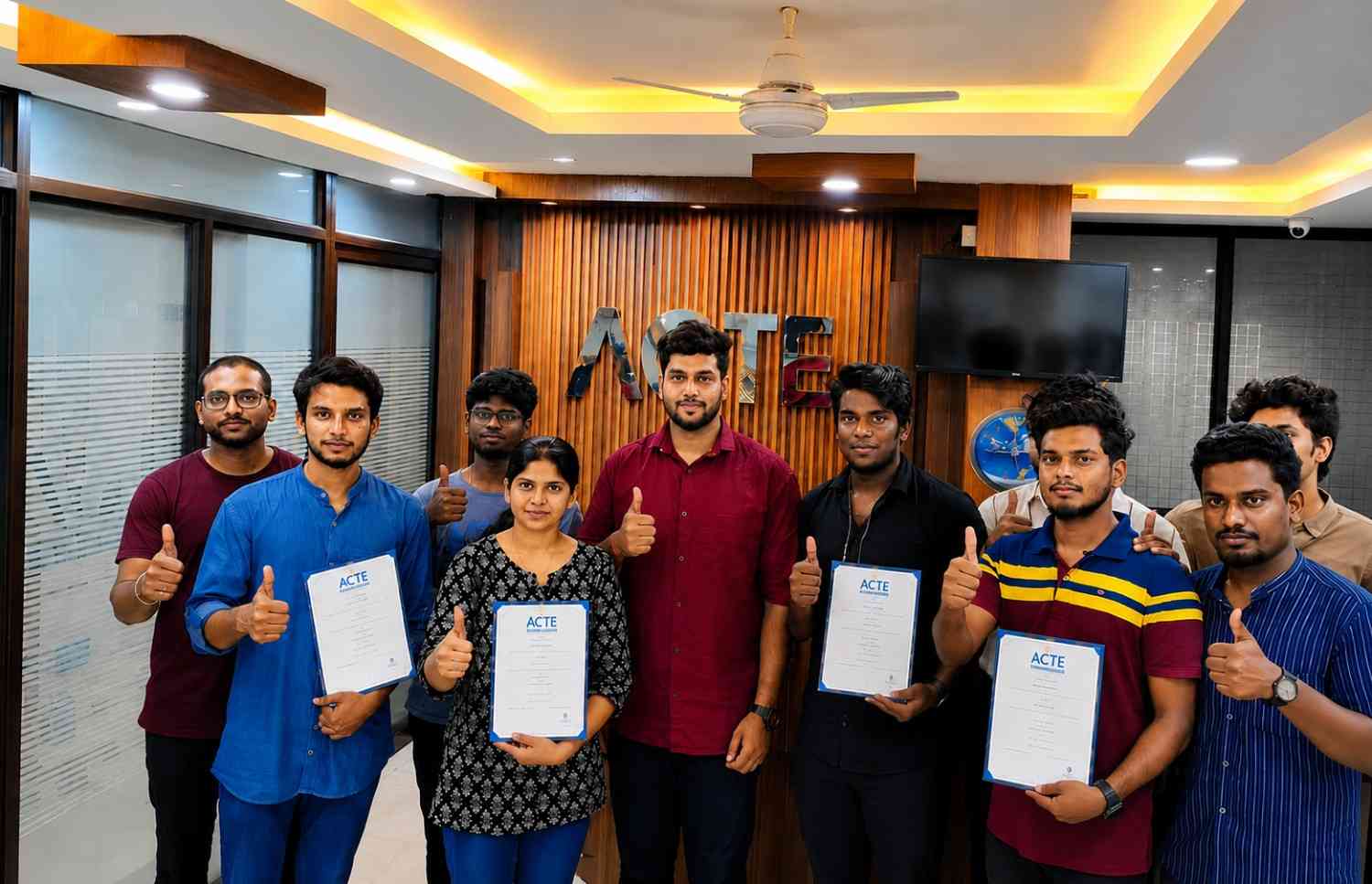

Placement Assistance

Exclusive access to ACTE Job portal

Mock Interview Preparation

1 on 1 Career Mentoring Sessions

Career Oriented Sessions

Resume & LinkedIn Profile Building
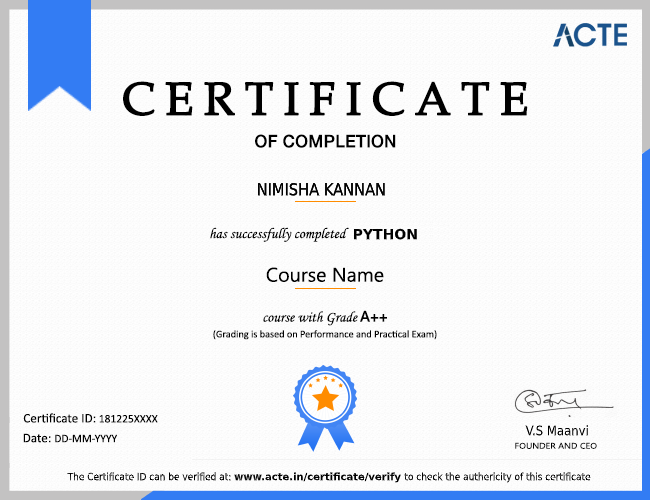
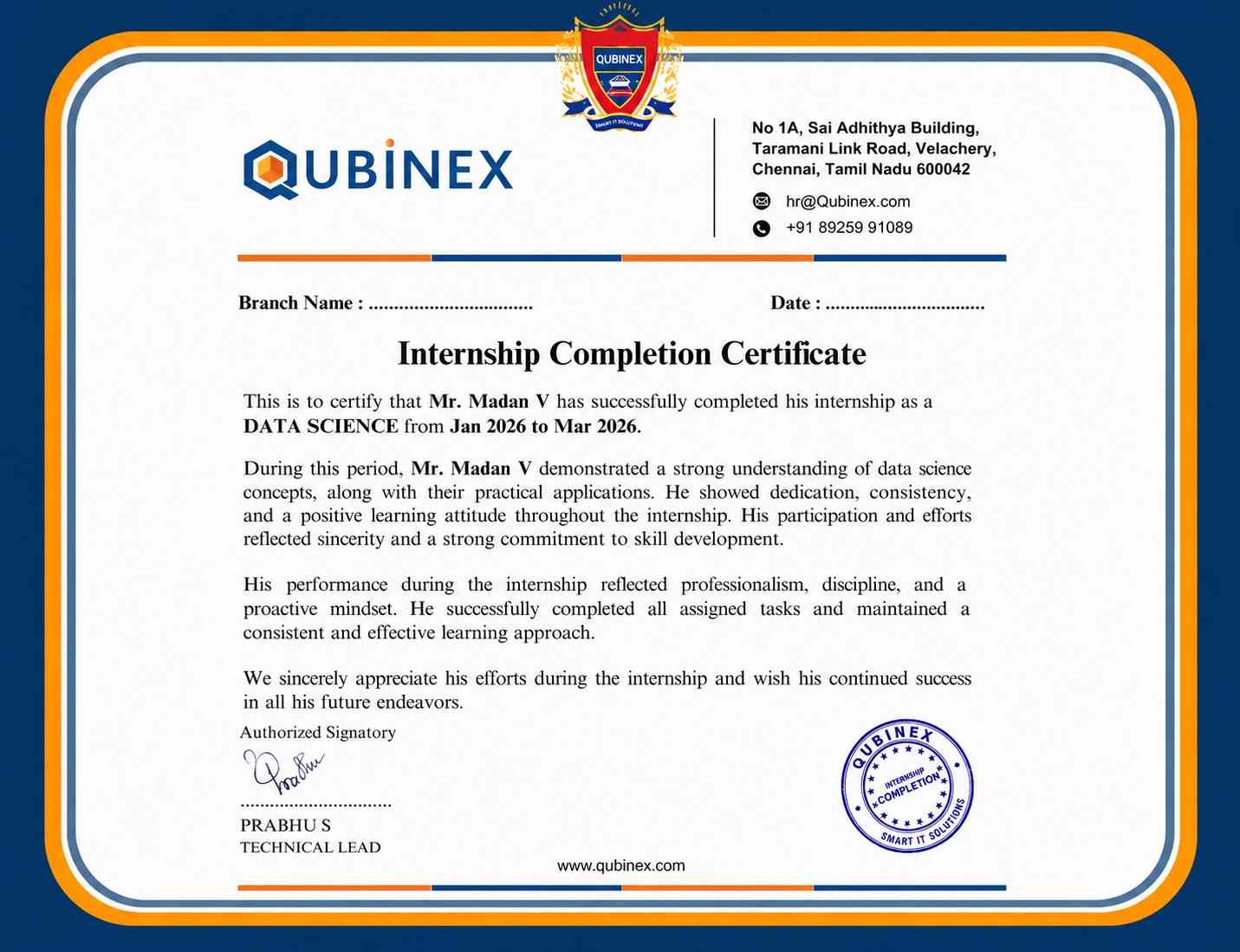
Get Advanced Java Certification
You'll receive a certificate proving your industry readiness.Just complete your projects and pass the pre-placement assessment.This certification validates your skills and prepares you for real-world roles.



📜 Industry-Recognized Certification
Earn official, shareable certifications recognized by top companies — a powerful proof of your job-ready skills.
🚀 Get Discovered by Top Employers
Let recruiters come to you with your verified profile — focus on learning while we connect you to real opportunities.
💼 Real-World Project Experience
Work on real-world projects to sharpen your skills and build a portfolio that impresses employers instantly.
Lowest Java Course Fees
Affordable, Quality Training for Freshers to Launch IT Careers & Land Top Placements.
Java Course FAQs
1. What is the duration of a Java course?
The duration of a Java course typically ranges from 1 to 3 months, depending on the level of the program (beginner to advanced). ACTE’s Java Intensive Program is structured to provide comprehensive training within a flexible time frame, including live classes, practice assignments and project work.
2. Why is everyone saying ACTE online sessions are extremely effective?
ACTE’s online sessions are effective because they offer interactive live training, real-time doubt-solving and practical, hands-on coding experience. Expert trainers from top MNCs deliver sessions using industry-relevant projects. Students appreciate the clarity of concepts, personalized attention and structured approach to mastering Java.
3. How flexible are the timings of ACTE Intensive program?
ACTE provides highly flexible class schedules including batches on the weekends and during the week, to suit working professionals and students alike. Learners can also choose morning or evening slots, making it easy to balance learning with their daily schedule. Missed sessions can be recovered through recorded videos or rescheduled classes.
4. What if I get doubts while learning?
If you face doubts during your learning, ACTE offers learner support through chat, email and live sessions. You can also connect directly with trainers during classes or schedule one-on-one doubt-clearing sessions. Their supportive community and prompt assistance.
5. Why is it recommended that you learn right from fundamentals at ACTE Intensive?
Learning Java from the fundamentals at ACTE is essential because it builds a strong base in programming logic and core concepts. The course starts with basics such as variables, loops and OOP and gradually advances to frameworks ,Spring and Microservices. This step-by-step method ensures long-term retention and confidence in real-world coding.
1. What is the eligibility for a Java course?
To join, there are no rigorous requirements a Java course. Anyone with a basic understanding of computers and logical thinking can start learning Java. Regardless of your status as a student, recent graduate or employed professional someone switching careers, Java is beginner-friendly. Most training institutes, including ACTE, welcome learners from all educational backgrounds.
2. Why can anyone join the program regardless of their background?
Java programming is based on logical reasoning and problem-solving, not just academic degrees. The course is designed to teach from the ground up, making it suitable even for those with no prior coding experience. This inclusivity makes Java a great entry point into IT.
3. How do a lot of grads with BSc, MBA, B.A. or B.Com degrees land IT jobs?
Many graduates from non-technical streams land IT jobs by learning job-oriented skills like Java, SQL and web development. Companies today focus more on skills than degrees, especially for roles in software development, testing or tech support. After completing a Java course and building a strong portfolio, certification and hands-on practice help them clear interviews and get placed.
4. How many graduates are landing a tech job, even with a career gap?
A significant number of graduates with career gaps are transitioning successfully into tech, especially through intensive reskilling programs. Institutes like ACTE offer placement support and career guidance for such learners. By focusing on practical skills, real-time projects and interview preparation, these learners confidently re-enter the workforce with a new career path in Java development.
1. What are the requirements to qualify for the placement benefit?
To qualify for the placement benefit, learners must complete the full training program, including live sessions, assignments and real-time projects. Regular attendance, participation in mock interviews and clearing internal assessments are often mandatory. You’ll also need to maintain a strong portfolio or GitHub profile showcasing your Java skills. These steps ensure that you're industry-ready and eligible for placement assistance.
2. What guidelines must be followed to successfully get a placement?
To secure a successful placement, you should follow a structured path: attend sessions consistently, complete projects and practice coding regularly. Actively participate in career services like resume building, aptitude training and mock interviews. Maintain professionalism during interactions with hiring partners and apply for roles that match your skill level. Timely communication and following the institute’s placement process are also crucial.
3. How would my career planning session benefit my career and who will serve as my mentor?
Career planning sessions help you define a clear goal based on your background, interests and strengths. You'll receive personalized guidance on choosing the right roles whether it’s full-stack development, backend Java development or QA automation. Your mentor will usually be a senior industry expert or placement counselor with experience in hiring and career transitions. They’ll help you chart a job roadmap and prepare strategically.
4. Where and what kind of internship might I anticipate after completing the program?
After completing the Java course, you can expect internships in software development companies, startups or IT service firms. Internships typically involve working on Java-based applications, bug fixing, testing or building modules using Spring, Hibernate or REST APIs. Some may also involve exposure to cloud integration or DevOps tools. These internships can be remote or office-based depending on the company’s policy.
1. What Certifications Are Offered in Java Training?
- Oracle Certified Associate Java Programmer (OCAJP)
- Oracle Certified Professional Java Programmer (OCPJP)
- Oracle Certified Expert (OCE) – Java EE Web Component Developer
- Java SE 8/11 Programmer I and II Certifications
- Spring Professional Certification (VMware)
2. Does Receiving Certification as a Java Professional Guarantee Employment?
Yes, receiving a Java certification it significantly improves your chances.Certifications show your proficiency and commitment to the field making you more attractive to employers. However, getting hired also depends on hands-on experience, real-world projects, soft skills and interview performance. When combined with proper training and placement support certification becomes a powerful asset in your job search.
3. How much time does it take to get certified in Java?
Becoming certified in Java usually takes around 1 to 3 months depending on the certification level and your learning. For beginners preparing for the OCAJP might take 6 to 8 weeks while OCPJP or advanced certifications may require up to 3 months of consistent study and practice. Institutes like ACTE offer structured programs that streamline the learning process and reduce preparation time.
4. What are the Benefits of Java Certification?
- Validates your Java programming skills
- Enhances your resume and professional credibility
- Increases job opportunities and salary prospects
- Helps in career transitions to software development roles
- Boosts confidence for technical interviews
5. How Can I Prepare Effectively for the Java Certification Exam?
- Study the official exam syllabus and certification guide
- Use Oracle or recognized training materials
- Practice regularly on platforms like HackerRank or LeetCode
- Take mock tests and timed practice exams
- Build small Java projects to apply your knowledge
1. What are the different options available to pay the course fee?
Most training centers offer multiple flexible payment options for learners. Payment options include UPI, credit/debit cards, net banking, EMI or pay-later schemes. Some institutes also allow partial payments or installments during the course. Discounts or early bird offers may be available for upfront full payments.
2. Will I Get Support for Job Placement After the Course?
Yes, reputed institutes like ACTE offer dedicated placement support after course completion. This includes resume building, mock interviews, aptitude training and direct interviews with hiring partners. You’ll also get access to job portals, internship opportunities and real-time project experience to boost your job readiness. Many learners receive placement offers within weeks of completing the course.
3. Why do fees differ between training centers?
Course fees vary based on several factors like the institute's reputation, trainer expertise, course depth, live projects, placement support and certification value. Premium institutes may charge more due to quality infrastructure, experienced mentors and strong industry connections. Others may offer lower fees but limit access to placement or hands-on practice.
4. Is the fee of the training the same in every city?
Yes, we give same fee for every city. No matter where you join from, the price stays equal. This helps students from all places learn at fair cost.
100% Job Guarantee
Global Quality Training At The Lowest Fees & Expert Trainer
Available in: